
How Inflation and Tariffs Are Changing the Way We Tip
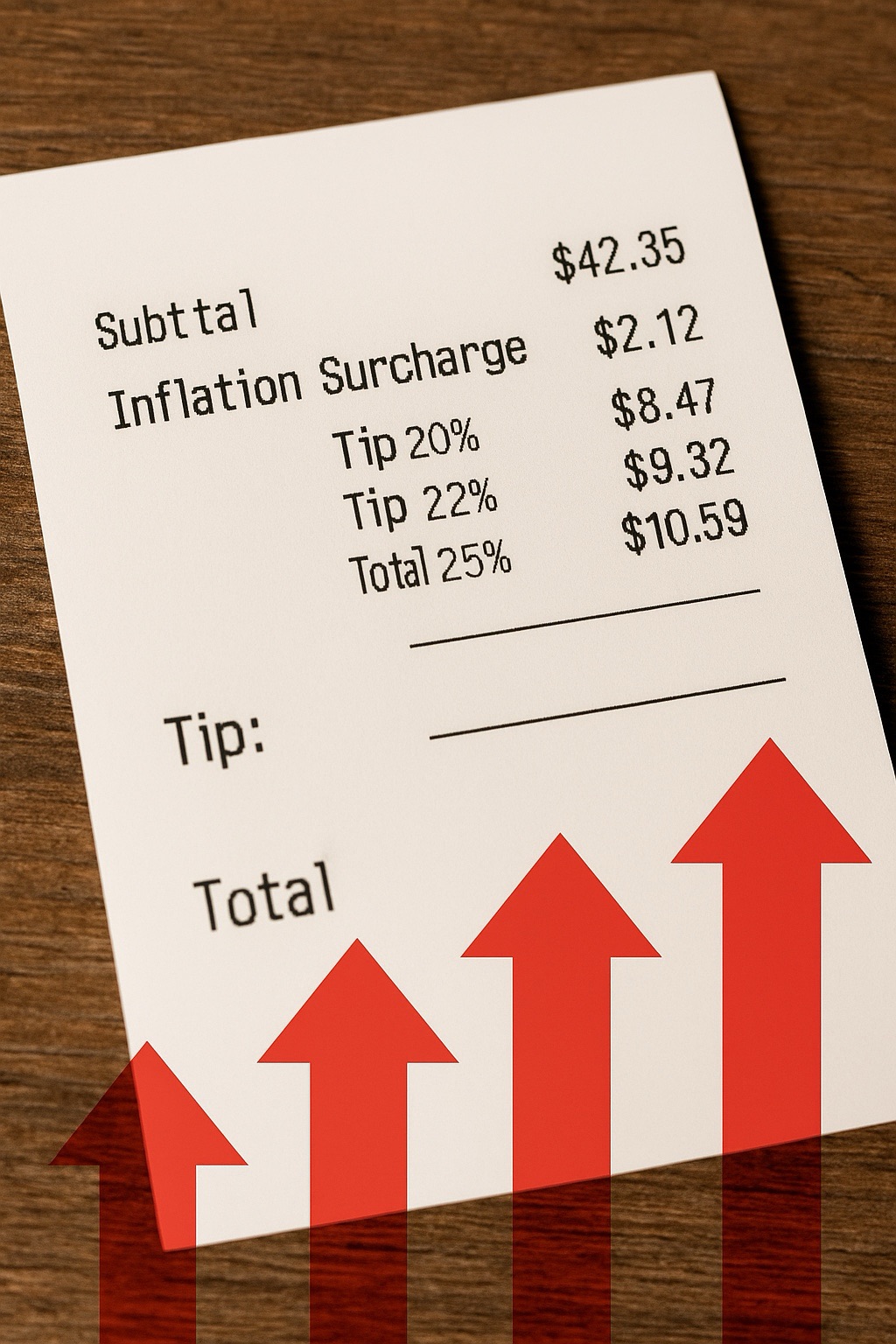
With inflation still lingering and new tariffs hitting imported goods, Americans are feeling the pinch in their everyday spending—from groceries and utilities to restaurants and ride shares. But while base prices are going up, tipping culture hasn’t slowed down. In fact, in many places, it’s accelerating. This double burden—higher prices plus higher tipping expectations—is pushing many consumers to a breaking point.
What’s Happening to Prices?
Inflation continues to drive up costs for food, labor, energy, and essentials. Tariffs on imported goods—from steel to food to electronics—are passed down to consumers in the form of higher prices. Service industries, such as restaurants and salons, are raising prices to cover their increased costs.
That means your $18 lunch is now $21—and with tip prompts still suggesting 20–25%, you’re suddenly paying $26 for a sandwich and soda.
The Result? Tip Fatigue Meets Sticker Shock
Consumers are being asked to tip:
More frequently (coffee shops, takeout, self-service kiosks) On higher base prices (due to inflation/tariffs) For lower perceived service (such as counter pickup)
This creates a tipping environment that feels less like generosity and more like a hidden tax.
Impact on Workers
Tipped workers are also struggling. While prices rise, tips aren’t always keeping pace. If consumers scale back due to economic stress, service workers may end up earning less despite businesses charging more.
Are Businesses Shifting the Burden?
Some companies avoid raising wages by outsourcing compensation to customers through tipping prompts—even during times of economic hardship. This approach:
Reduces employer costs Avoids accountability for wage increases Frustrates both customers and employees
What Needs to Change?
Transparent pricing: List real wages and real costs instead of relying on tipping pressure. Fair wages for workers: Employers should raise base pay rather than expecting customers to shoulder inflation-driven compensation. Reevaluate tipping culture: In an economy where everything is more expensive, forcing a cultural norm that adds another 20% is unsustainable.
Bottom Line
As inflation and tariffs increase the cost of living, tipping culture is showing its cracks. What started as a reward for exceptional service has turned into a reflexive obligation layered onto already inflated costs. Both consumers and workers deserve a better, more equitable solution—one that doesn’t rely on emotional manipulation or endless tip prompts.
Related Articles:
 EndTippingCulture.org
Leave a comment