Tipping has expanded beyond traditional settings, leading to customer frustration and diminished service quality. This article explores the implications of pervasive tipping practices and offers strategies for businesses to enhance customer experience.
Tipping expectations vary dramatically around the world. This country-by-country guide breaks down where tips are expected, appreciated, or discouraged—so you can travel smarter and avoid awkward moments.
A new 2025 survey by CouponCabin reveals how dining‑out and tipping habits shifted post‑COVID — 33% of Americans now tip more than before, and 20% remains the most common tip. What do these changes mean for tipping culture?
Tipping screens now ask for 40%, 60%, even 100% gratuities. What’s the highest you’ve seen? Learn how to respond and why this trend is taking over checkout counters everywhere.
Across the service industry, a growing number of restaurants, salons, and hotels are abandoning tipping altogether — opting instead for transparent pricing and guaranteed wages. The shift challenges long-standing traditions and raises big questions: How do no-tip models stay profitable? Do customers embrace the change? And what happens to workers’ income when tips disappear?
This article examines real-world examples of businesses that have successfully made the switch and how they’re redefining what fair pay looks like in hospitality and beyond.
Across the United States, the rules governing tipped workers vary dramatically. In some states, servers and bartenders earn the same minimum wage as everyone else — while in others, they start at just $2.13 an hour and rely on tips to make up the rest. This patchwork of laws means that a worker’s location can determine not only their paycheck, but their financial stability.
This state-by-state breakdown explores how tipped wage laws differ, why some states are eliminating tip credits altogether, and what these changes mean for workers, businesses, and consumers.
From Uber to DoorDash to Instacart, tipping has become a built-in expectation. Learn how app-based tipping pressures consumers, underpays workers, and fuels America’s growing tip fatigue.
Tipping at dog groomers can be confusing. Learn how expectations differ between private salons and big-box chains like PetSmart, and why fair pay — not tipping — should be the standard.
Tipping in Australia and New Zealand is rare. Learn why locals don’t tip, when it might be appreciated, and how both countries push back against tip culture.
Should you tip the valet — and if so, how much? This article breaks down common etiquette, timing, and expectations to help drivers navigate one of hospitality’s most frequently misunderstood tipping moments.
If tipping were truly straightforward, would we still need calculators? This article explores why gratuity has become complicated enough to require digital help — and what that says about modern tipping expectations.
Gen Z is challenging long-standing tipping norms. This article explores why younger consumers are questioning gratuity expectations and how their attitudes could reshape the future of tipping culture.
Guilt tipping is becoming a defining feature of the modern checkout experience. This article explores how digital prompts and social pressure are influencing customer behavior — and why the practice is sparking growing resistance.
Tip creep is changing how Americans experience everyday transactions. As gratuity requests appear in more places, growing frustration is influencing customer behavior — and potentially driving some away altogether.
Tips and commissions both reward service — but they operate very differently. This article explores how each compensation model works, where they overlap, and what the comparison reveals about fairness, incentives, and evolving pay structures.
Do takeout workers earn a living wage — or rely on tips to close the gap? This article examines pay structures, industry realities, and the growing uncertainty around gratuities for off-premise service.
Should you calculate a tip before or after tax? This article breaks down the etiquette, logic, and common practices behind pre-tax tipping — and why many diners don’t realize they may be tipping more than expected.
Should your tip reflect the original bill or the discounted total? This article explores the etiquette and fairness debate around tipping when using coupons — and why the answer isn’t always straightforward.
Is tipping in cash better than leaving it on a card? This article explores the pros and cons of cash gratuities, including how they impact workers, taxes, transparency, and customer convenience.
Americans spent nearly $78 billion on tips in 2023, with tipping rates and dining-out habits hitting new highs. Discover what the latest LendingTree study reveals about tipping trends across the U.S.
Tipping at fine dining restaurants often comes with higher expectations — but is it always justified? This article explores standard gratuity norms, service assumptions, and the ongoing debate over whether premium prices should automatically mean larger tips.
Rising inflation and tariffs are driving up prices—but what does that mean for tipping expectations? Explore how economic pressure reshapes gratuity norms.
A new Bankrate survey finds 63% of Americans have negative feelings about tipping culture. Here’s what’s driving the backlash—and how Gen Z is changing the game.
Many Americans believe tipping has spiraled out of control. This article breaks down the data behind rising tip requests, growing consumer frustration, and the economic pressures reshaping gratuity expectations nationwide.
Tipping habits vary widely across the United States. This article explores which groups tend to tip the most, who tips less frequently, and the social, economic, and generational factors influencing gratuity behavior.
Americans are tipping less — and the shift isn’t happening quietly. As tip requests expand into more everyday transactions, growing frustration, economic pressure, and “tip fatigue” are reshaping consumer behavior across the country.
Does the price of your meal influence how much you should tip? This article explores the unwritten rules of tipping at low-cost diners and why affordability doesn’t necessarily change service expectations.
Tipping expectations aren’t the same across every service job. From restaurants and rideshares to salons and hospitality, this guide breaks down when tipping is customary, how much is typical, and where gratuities are becoming more ambiguous in today’s evolving service economy.
Corporate tipping is rapidly reshaping how Americans encounter gratuity. From retail counters to automated kiosks, large companies are increasingly introducing tip prompts into spaces that historically never expected them. This article examines what’s driving the trend, how consumers are responding, and what the expansion of tipping could mean for the future of wages, pricing, and workplace responsibility.
While tipping is often seen as a generous gesture, it can mask deeper issues within the service industry. This article explores how tipping practices may perpetuate wage disparities, shift financial responsibilities from employers to consumers, and create power imbalances between patrons and service workers.
Tipping customs vary widely across the globe. While Americans are accustomed to tipping in many service scenarios, international practices differ significantly. This guide explores tipping expectations in various regions, highlighting where gratuities are customary, optional, or even discouraged. Understanding these nuances can help travelers navigate foreign tipping etiquette with confidence.
As tipping culture faces increased scrutiny, some U.S. restaurants are experimenting with eliminating gratuities in favor of higher, consistent wages for staff. This article explores the successes and challenges of no-tipping models, highlighting case studies like Calissa in New York and Zazie in San Francisco. While these approaches aim to promote wage equity and simplify billing, they also encounter hurdles such as customer resistance and staff retention issues.
This article examines the fairness of percentage-based tipping, questioning why servers at high-end restaurants often receive larger tips than those at casual eateries, despite similar levels of service. It explores how this practice can perpetuate income disparities among service workers and discusses alternative models that aim to provide more equitable compensation.
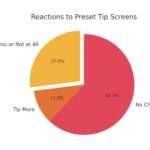
The proliferation of digital tipping screens with pre-set gratuity options is fueling consumer frustration. Many feel pressured by default tip suggestions—often starting at 18% or higher—especially in situations with minimal service, such as self-checkout or takeout orders. This article explores the psychological impact of these prompts, the concept of “tipflation,” and the growing backlash against what some perceive as manipulative tipping practices.
With tipping prompts appearing at self-checkout kiosks and coffee counters, many consumers are uncertain about when gratuities are appropriate. This article examines the evolving etiquette of tipping in self-service scenarios, offering guidance on when a tip is customary and when it’s optional.
Over the past five decades, tipping in the U.S. has transformed from a modest gesture to a widespread expectation. This article traces the journey from the 1970s, when a 10% gratuity was standard, through the rise of digital payment systems and preset tip prompts, to today’s climate of ‘tipflation’ and growing public scrutiny. With 72% of Americans feeling they’re being asked to tip in more places than before, the piece examines the cultural and economic forces that have shaped—and continue to challenge—tipping norms in America.
The “No Tax on Tips” law, enacted as part of the 2025 One Big Beautiful Bill, allows eligible workers to deduct up to $25,000 in qualified tips from their federal taxable income. This deduction applies to voluntary tips reported through official channels and is available to employees in occupations that customarily receive tips, such as servers, bartenders, and rideshare drivers. However, the deduction phases out for individuals with higher incomes and is set to expire after the 2028 tax year.
Tipping in the U.S. is out of control. 72% of Americans say tipping is expected in more places today than five years ago. 90% say tipping culture has spiraled out of control. 66% think negatively of the tipping system. In Japan, tipping is seen as rude workers are paid well. In most of Europe, tipping is minimal or built into pricing. In the U.S., tipping has spiraled far beyond traditional norms. What was once a… Read more: End Tipping Culture
 A new Bankrate survey finds 63% of Americans have negative feelings about tipping culture. Here’s what’s driving the backlash—and how Gen Z is changing the game.